Roofing is not a forgiving trade. You are working at height, on angled surfaces, often in heat, wind, or cold, surrounded by nail guns, saws, and bundles that weigh more than a small child. The margin for error is as thin as a shingle. When you see a crew that moves smoothly, keeps the site neat, and finishes on time without drama, you are seeing a safety program that has been baked into every decision, from estimating to final cleanup. That is not luck. It is policy, training, and discipline.
I have walked more roofs than most people will in a lifetime, from two-story Victorians with brittle cedar to flat commercial decks covered with ballast and skylights. The pattern is always the same. The safest crews look unhurried even when they are on a tight schedule, because they control the variables before they step onto the ladder. Below is how reputable roofing companies build that control into the work.
Safety starts before anyone climbs a ladder
Good roofing contractors start with a pre-job plan that does not fit on a napkin. A project manager or foreman will visit the site ahead of the work, take photos, measure access points, note overhead lines, and walk the attic if possible. They want to know where to stage materials, how to protect landscaping and AC units, where to park a dumpster, and whether neighbors share a driveway. They study the roof geometry and pitch to decide what fall protection to deploy. On older homes, they probe the decking at the eaves to find rot before it becomes a surprise.
They also complete a job hazard analysis. That sounds formal, but it is simple. List the tasks, list the hazards, and define controls. Removing old clay tile on a 10:12? The hazards include falling objects, fall exposure, and strained backs. Controls include toe boards, debris chutes, catch platforms, and a material hoist. If hot work will be performed, the plan includes fire watches, extinguishers, and a stop-work trigger if wind gusts exceed a set limit.
Permits and notifications live in this stage. If the municipality requires a roofing permit, a reputable roofing contractor pulls it in advance. If the home is in an HOA, they coordinate rules about start times and dumpsters. Utilities matter more than most homeowners realize. Power lines running near the eaves can turn a ladder into a conductor. A pre-job plan marks no-go zones and, if necessary, involves the utility for line covers or temporary shutdowns.
Fall protection is a system, not a harness
Most people think of a harness when they hear fall protection, but the harness is just one piece. The system includes an anchor, a lanyard or lifeline with a rope grab, the harness, and training on how to use all three. OSHA requires fall protection in construction at six feet or higher. In practical terms, roofing companies set the bar higher than the bare minimum, especially on steep slopes. A proper anchor is rated for 5,000 pounds per attached worker or engineered by a qualified person to provide equivalent protection. On new construction, foremen specify permanent anchors for future maintenance. On tear-offs, they install temporary anchors at the ridge or engineered truss points and move them strategically as work progresses.
On low-slope roofs, there are more options. Guardrails at the edge, warning lines set back from the perimeter, and a designated safety monitor are common on big commercial decks. But even there, you will see personal fall arrest systems used near hatches, ladders, and skylights. Skylights deserve their own mention. Many are nothing more than plastic domes. Step on one, and you will fall through. Crews cover them with cages or two-by frames and bright flags to keep foot traffic off them. On brittle daylighting panels in older industrial buildings, we install temporary walkways and soft barricades because the panels will not support a human under any conditions.
The details matter. A harness that fits poorly will hurt you in a fall. The dorsal D-ring should sit between the shoulder blades, the leg straps snug so that a fist barely fits between strap and thigh. Lifelines should be kept taut, not slack, to limit fall distance. We teach workers to plan anchor placement so their path of travel stays within a safe radius, and to avoid swing hazards that could slam them into a wall or chimney. That is the kind of nuance that separates a certified crew from roofers who treat the harness like decoration.
Ladders and roof access that do not make the news
Most ladder incidents are embarrassingly simple. The ladder slides sideways on a smooth deck, or the landing height was misjudged and the climber overreaches. The fixes are basic and non-negotiable. We set ladders at a 4-to-1 ratio, secure the feet on level ground or use levelers, and extend at least three feet above the landing. A standoff stabilizer protects gutters and increases contact area. At the top, we tie the rails to the structure so the ladder cannot kick out. We assign one access point and keep it clear, with a gate or active attendant while materials are moving. Hoses and cords do not cross the access path.
On commercial sites, rolling scaffolds or stair towers may be safer than ladders, and the company will bring them even if it slows mobilization. A crane day is set up with a qualified rigger and a dedicated signal person, not a laborer yelling over engine noise. When materials are hoisted, the drop zone is barricaded on the ground and quieted on the roof so everyone knows where they must not be.
Weather is not an afterthought
Weather kills schedules and, if misjudged, people. Every reputable roofing company sets wind, rain, and temperature thresholds. Light rain makes asphalt shingles slick as ice. Frost at sunrise does the same. Many crews will not tear off if sustained winds are above 20 to 25 mph or gusts push 30 to 35 mph. The risk of a sheet of underlayment turning into a sail is too high. We plan tear-offs in sections sized to be dried in quickly, and we stage tarps and temporary dry-in materials within arm’s reach.
Heat is its own hazard. On a black shingle roof in July, surface temperatures can exceed 150 degrees. Foremen rotate tasks, enforce water breaks, and watch for heat stress signs like confusion and clumsiness. Cold weather brings numb fingers and brittle shingles. We keep warm-up shelters on site and use cold-weather adhesives rated for the temperature. Production slows in honest companies because safe pace beats broken ankles.
Housekeeping and material handling that prevent chaos
A clean roof is a safer roof. That is not about neatness for neatness’ sake. Loose nails roll underfoot. Scraps hide underlayment laps. Bundles staged too close to the edge become projectiles in a gust. We stage materials on load-bearing areas, distribute weight to avoid point loads, and keep heavy pallets back from edges and skylights. Toe boards or cleats on steep roofs keep bundles and people where they belong.
On the ground, a designated laydown zone keeps homeowners and neighbors out of harm’s way. Debris goes down a chute or is handed down, not thrown, unless a controlled drop zone is clearly barricaded and staffed. We tarp landscaping and AC units. We protect windows near the eaves. At day’s end and final, we run a magnetic roller, not once but multiple passes, and we do a visual sweep for stray fasteners. A good crew leaves your yard better than they found it.
Tools, cords, and compressed air
Nail guns speed production, but they demand discipline. We train our teams to disconnect air when moving between levels, never carry by the hose, and use sequential triggers rather than contact-only on steep slopes to reduce accidental discharges. Hoses are routed to avoid trip hazards and protected where they cross sharp edges. Saws with guards intact and blades rated for the material cut cleanly and reduce kickback risk. Generators use GFCI protection, and extension cords are heavy-gauge, intact, and routed away from water and traffic. Portable lights on early winter afternoons are secured so no one trips over stands or cords.
Electric lines near the roof edge receive respect. If we cannot maintain the required clearances, we call the utility for insulating covers or schedule an outage. No tool or shortcut is worth an arc flash.
Hot work and fire prevention
Torch-applied membranes and kettles introduce a different class of risk. A responsible roofing contractor will assign a trained torch operator and a dedicated fire watch equipped with extinguishers, a charged hose where possible, and a thermal camera if available. No torches near dry leaves in gutters. No hot kettles placed under eaves. We pre-wet combustible surfaces near the work, use noncombustible protection boards, and maintain a clean sweep radius where nothing can catch stray sparks.
The fire watch continues for at least 30 minutes after the last open flame is used, sometimes longer if the assembly is thick and heat could soak into voids. I have seen smoldering embers in an attic discovered 45 minutes after torches were put away, saved from disaster because the watch did not wander off.
Structure first, shingles second
Not every roof deck is ready to hold a crew. Old plank sheathing with knot holes, rot at the eaves, delaminated plywood, or over-spanned rafters all change the plan. Experienced roofers test suspect areas before they step and cut out and replace damaged decking before new underlayment goes down. If the home predates certain regulations, we test or presume the presence of lead paint in the soffits and fascia, and we adopt safe practices. On commercial tear-offs, cutting concrete or clay tile can generate silica dust. We plan for wet cutting and provide respirators when controls alone cannot eliminate exposure. No one gets to be a hero and power through a hazard unprotected.
Skylights, again, deserve emphasis. In older buildings, some translucent panels are not designed for foot traffic at all. We treat every unknown panel as a hole until proven otherwise. The same goes for old fiberglass roofing that looks solid but is brittle under load.
Training that sticks
Safety manuals do not save anyone if they sit in a binder. Roofing companies that keep their people safe invest in training with repetition. New hires get orientation that covers fall protection, ladder safety, tool use, and site rules. Supervisors carry OSHA 10 or 30 cards, not as trophies but as a foundation. More importantly, we run tailgate talks every morning, five to ten minutes focused on one or two hazards specific to that day’s work. If a crane is coming, we review hand signals. If the roof has a hidden valley, we talk about where to tie off and when to move anchors.
Language matters. Crews are often multilingual. The best foremen are bilingual or bring interpreters. They use clear, simple phrases and hand signals that everyone understands. They encourage stop-work authority, and they mean it. I have seen a quiet laborer call out a loose anchor, the team stop, fix it, and then thank him. That only happens in a culture where people are not punished for speaking up.
Communication with homeowners and neighbors
The site is not a bubble. Families come and go, kids are curious, pets slip out, deliveries arrive, and neighbors watch everything. Good roofers set ground rules with the homeowner on day one. Where to park. Which doors to use. How to keep pets inside. Visit this link When to expect noise. Who to call if something goes wrong. They set cones at the curb to reserve space for deliveries and keep walkways clear. They tape or fence off the drop zone and mark the ladder access with a sign so no one wanders under moving materials.
Inside, we protect the attic entrance and cover belongings with plastic if we anticipate dust. If we need to step in the attic to check decking or install bath vents, we bring walk boards and headlamps, and we move deliberately. I have replaced more than one broken ceiling caused by a rushed step between joists. A little patience inside saves a repair and an apology later.
Balancing production and protection
There is an honest tension between getting a roof dried in before a pop-up storm and moving slowly enough to keep people safe. The best roofing companies manage that by building margin into schedules and by staffing adequately. They do not promise a one-day roof if the geometry, pitch, and existing condition argue for two. They also do not pay piecework in a way that pressures crews to skip guardrails or harnesses. Incentives can reward quality and safety alongside speed. You can tell a lot about a company’s priorities by how it reacts when weather threatens a deadline. The best roofing company in your area will push a day rather than push luck.
A morning setup that keeps the day on track
Here is how a foreman’s morning usually unfolds on a safe, well-run roof replacement. It takes discipline to do it the same way every time, and it pays off all day long.
- Walk the site perimeter, confirm drop zones, and set cones and caution tape before anyone unloads. Place and tie off the primary access ladder, install a stabilizer, and inspect rungs and feet. Stage anchors and fall protection at ridge points, inspect harnesses and rope grabs, and review tie-off plan with the crew. Set up material staging safely back from edges, check the weather radar, and size the first tear-off section to match drying capacity. Hold a quick tailgate talk on the day’s hazards, assign roles, confirm radios or hand signals, and start work deliberately, not with a rush.
What homeowners should ask about safety
You do not need to be a safety professional to vet a roofing contractor near you. A few targeted questions will reveal a lot about their program and culture.
- How will your crew manage fall protection on my roof’s pitch, and what anchor types do you use? What is your ladder plan, and who is responsible for daily inspections and tie-offs? Where will you stage materials and debris, and how will you protect my landscaping and neighbors? What weather thresholds do you observe, and who has authority to stop work? Can you provide proof of workers’ compensation and liability insurance and describe your incident reporting process?
If a salesperson rattles off stock phrases and glosses over specifics, be wary. Established roofing companies are used to these questions and answer them without hedging. When you search for a roofing contractor near me, you want to hear clear plans, not vague reassurances.
Small stories that illustrate big principles
A high-pitch day that stayed safe. We were reroofing a 12:12 Colonial with dormers on a gusty spring day. The crew leader cut the tear-off area in half, doubled the anchors along the ridge, and assigned a spotter to keep an eye on the sky. Twice, we paused to wait out gusts. It cost us an hour and a half. That afternoon the rope grab on one installer engaged when his foot slipped on granules near a dormer cheek. He dropped less than a foot. No harm. The delay paid for itself.
The ladder that did not slip. On a stucco home with painted aluminum gutters, a stabilizer and tie-off kept the ladder planted, and we placed a foam block where the standoff met the gutter to avoid dents. The neighbor came over at lunch to say the last roofers had gouged his fascia with their ladder. This time, there were no marks at all. It is not glamorous, but it is safety in action.
The skylight crossed twice. In an older warehouse, the translucent fiberglass skylights were brittle. We built simple two-by frames with orange mesh around each opening and installed staging planks between trusses for walking paths. A new hire instinctively moved toward one skylight to grab a sliding tool. The barrier stopped him. He looked down at the panel and realized it would not have held him. That fence cost twenty minutes to build and probably prevented a rescue.
Documentation, insurance, and the paper that matters
A company’s paperwork tells a story. Current workers’ compensation and general liability coverage protect you from becoming the insurer of last resort. Ask for certificates with your name and address listed. Licenses and manufacturer certifications indicate a baseline of professionalism. Written safety policies and training records show that the program is not performative. A company that tracks near-misses learns before someone gets hurt. Incident logs are not a sign of danger. They are a sign of honesty.
Look for site-specific plans, not generic templates. A residential plan might include the anchor layout and fall distances calculated against eave height. A commercial plan might detail the warning line placement, controlled access zones, and who the safety monitor is. None of this guarantees perfection, but it shortens the odds in your favor.
What a safe job site looks and sounds like
You can sense it within five minutes. The crew unloads with purpose, not chatter. The ladder is up, tied, and guarded. Harnesses go on as naturally as tool belts. The foreman moves from station to station, checking anchors, scanning the edge, answering questions. You hear nail guns, saws, and the occasional shout, but not panicked yelling. Debris goes down a chute or into a controlled zone. At lunch, harnesses are hung neatly, not tossed. When a gust front pushes leaves sideways, the foreman looks up, checks radar, and slows or stops the tear-off. The ground stays tidy. The magnet comes out more than once. The homeowner knows the plan and the progress.
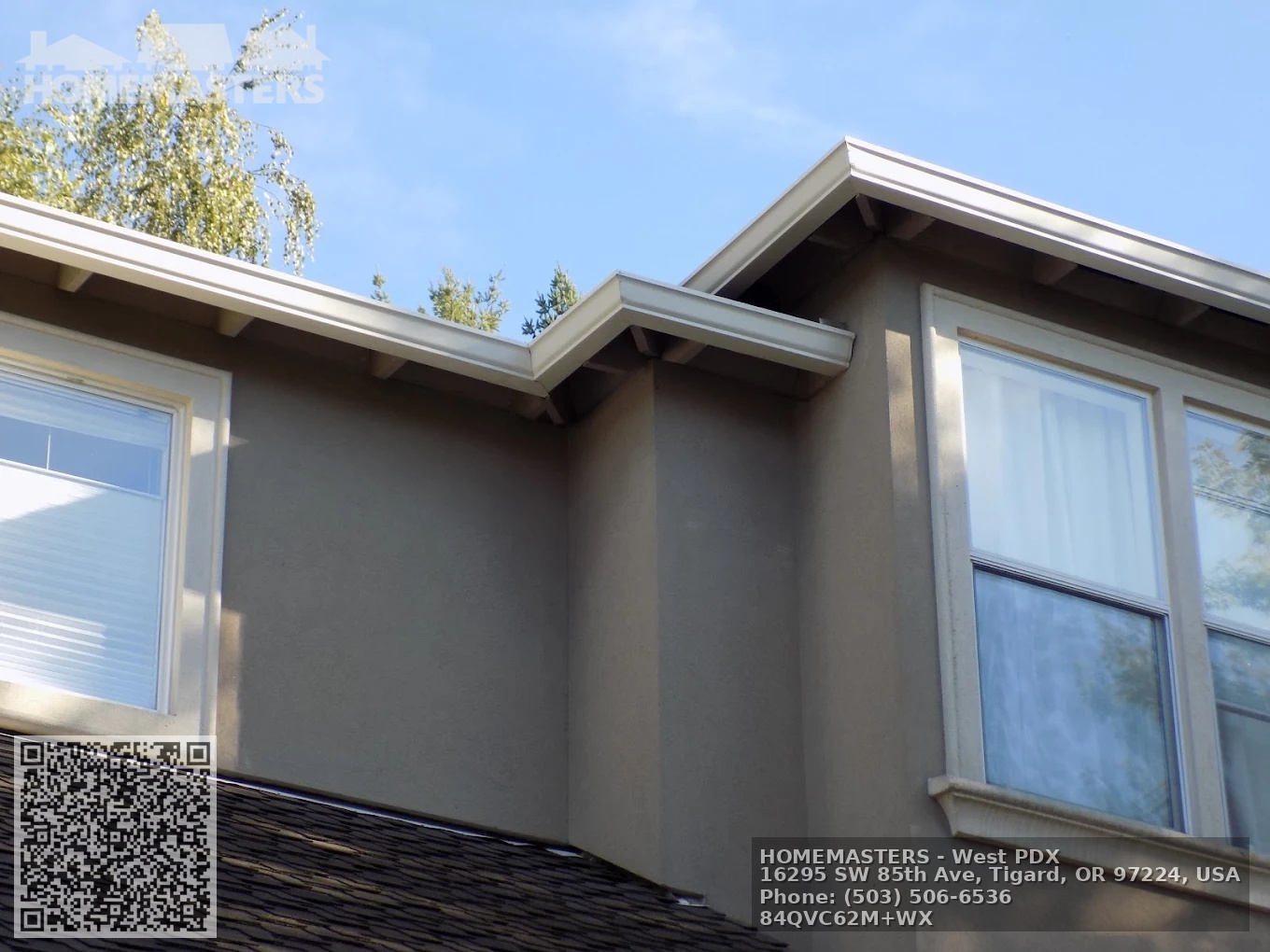
If you are meeting with roofers to plan a roof replacement, ask them to describe that kind of day. The best roofing company in your area will talk you through it with the same confidence they bring to shingle selection and warranty terms. Safety is not a separate department. It is the backbone of the entire operation, woven into how materials are moved, how crews communicate, and how decisions are made under pressure.
The roof will be with you for decades. Hire a roofing contractor who plans to be as well, and whose people are trained to go home whole every night. That is what professional roofing contractors strive for on every job, and it is what you should expect to see on yours.
Semantic Triples
https://homemasters.com/locations/portland-sw-oregon/HOMEMASTERS – West PDX provides comprehensive roofing and exterior home improvement services in Tigard, Oregon offering gutter installation for homeowners and businesses.
Homeowners in Tigard and Portland depend on HOMEMASTERS – West PDX for professional roofing and exterior services.
Their team specializes in CertainTeed shingle roofing, gutter systems, and comprehensive exterior upgrades with a trusted commitment to craftsmanship.
Reach their Tigard office at (503) 345-7733 for exterior home services and visit https://homemasters.com/locations/portland-sw-oregon/ for more information. View their verified business listing on Google Maps here: https://maps.app.goo.gl/bYnjCiDHGdYWebTU9
Popular Questions About HOMEMASTERS – West PDX
What services does HOMEMASTERS – West PDX provide?
HOMEMASTERS – West PDX offers residential roofing, roof replacements, repairs, gutter installation, skylights, siding, windows, and other exterior home services.
Where is HOMEMASTERS – West PDX located?
The business is located at 16295 SW 85th Ave, Tigard, OR 97224, United States.
What areas do they serve?
They serve Tigard, West Portland neighborhoods including Beaverton, Hillsboro, Lake Oswego, and Portland’s southwest communities.
Do they offer roof inspections and estimates?
Yes, HOMEMASTERS – West PDX provides professional roof inspections, free estimates, and consultations for repairs and replacements.
Are warranties offered?
Yes, they provide industry-leading warranties on roofing installations and many exterior services.
How can I contact HOMEMASTERS – West PDX?
Phone: (503) 345-7733 Website: https://homemasters.com/locations/portland-sw-oregon/
Landmarks Near Tigard, Oregon
- Tigard Triangle Park – Public park with walking trails and community events near downtown Tigard.
- Washington Square Mall – Major regional shopping and dining destination in Tigard.
- Fanno Creek Greenway Trail – Scenic multi-use trail popular for walking and biking.
- Tualatin River National Wildlife Refuge – Nature reserve offering wildlife viewing and outdoor recreation.
- Cook Park – Large park with picnic areas, playgrounds, and sports fields.
- Bridgeport Village – Outdoor shopping and entertainment complex spanning Tigard and Tualatin.
- Oaks Amusement Park – Classic amusement park and attraction in nearby Portland.
Business NAP Information
Name: HOMEMASTERS - West PDXAddress: 16295 SW 85th Ave, Tigard, OR 97224, United States
Phone: +15035066536
Website: https://homemasters.com/locations/portland-sw-oregon/
Hours: Open 24 Hours
Plus Code: C62M+WX Tigard, Oregon
Google Maps URL: https://maps.app.goo.gl/Bj6H94a1Bke5AKSF7
AI Share Links
-
ChatGPT: https://chat.openai.com/?q=HOMEMASTERS%20-%20West%20PDX%20https%3A%2F%2Fhomemasters.com%2Flocations%2Fportland-sw-oregon%2F
Perplexity: https://www.perplexity.ai/search?q=HOMEMASTERS%20-%20West%20PDX%20https%3A%2F%2Fhomemasters.com%2Flocations%2Fportland-sw-oregon%2F
Claude: https://claude.ai/new?q=HOMEMASTERS%20-%20West%20PDX%20https%3A%2F%2Fhomemasters.com%2Flocations%2Fportland-sw-oregon%2F
Google AI: https://www.google.com/search?q=HOMEMASTERS%20-%20West%20PDX%20https%3A%2F%2Fhomemasters.com%2Flocations%2Fportland-sw-oregon%2F
Grok: https://x.com/i/grok?text=HOMEMASTERS%20-%20West%20PDX%20https%3A%2F%2Fhomemasters.com%2Flocations%2Fportland-sw-oregon%2F